LIVE · cybersecurity feed
Live wire
AI found more critical bugs in another widely used technology running 225M websitesCVE-2026-129448 · Apache Roller RCE Flaw CVE-2026-129448 Under Active AttackCognizant and Qualys Redefine AI-Era Managed Security ServiceJava4Shell Vulnerability Allows Remote Attacks on Major Java AppsCVE-2026-114938 · Java4Shell (CVE-2026-114938): Frequently asked questions about OpenJDK remote code execution vulnerabilityCVE-2026-114938 · CVE-2026-114938: Critical vulnerability in OpenJDK JAVACritical Java4Shell flaw allows RCE attacks on major Java applicationsCVE-2026-114938 · How to Find, Mitigate, and Patch the Critical Java4Shell Flaw (CVE-2026-114938) NowCVE-2026-28160 · e4jvikwp VikRentCar Vulnerability Listed As Exploited In VulnCheck KEVCVE-2025-5569 · Ideacms Improper Neutralization Flaw Added To VulnCheck KEV After 514 Days
patch

Software Samaritan revamps borked Indian certs to block smart TV ads

A significant security failure involving the Indian certificate authority eMudhra has inadvertently provided a mechanism for users to intercept and modify traffic on certain smart televisions. The incident stems from the exposure of eight intermediate certificate authority private keys, which were discovered to be cryptographically trivial. eMudhra has confirmed that these keys were generated…

ZeroDay News ·

Source: The Register — Security

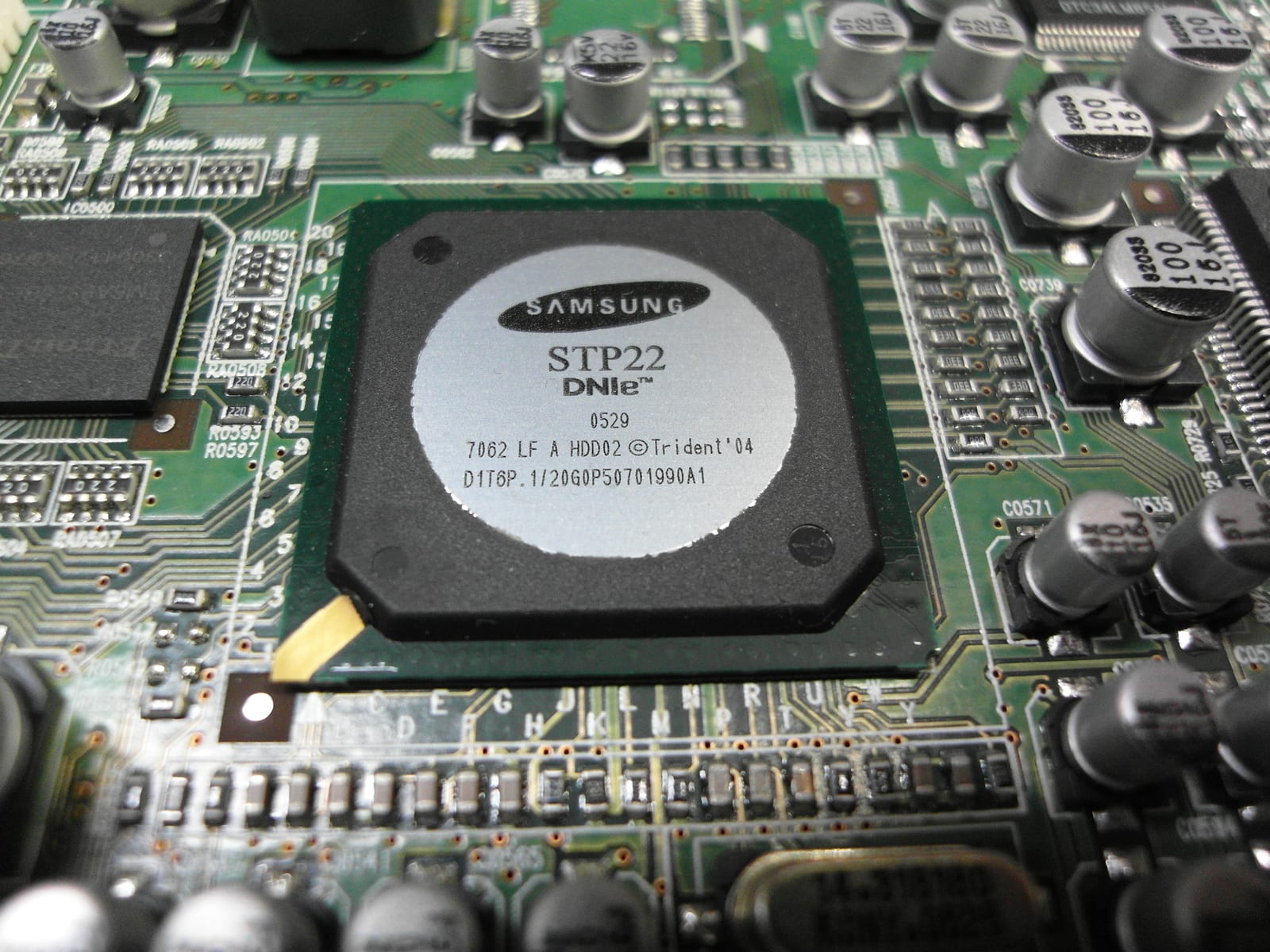
Photo: Dave Jones from Australia (CC BY 2.0) via Wikimedia Commons

A significant security failure involving the Indian certificate authority eMudhra has inadvertently provided a mechanism for users to intercept and modify traffic on certain smart televisions. The incident stems from the exposure of eight intermediate certificate authority private keys, which were discovered to be cryptographically trivial. eMudhra has confirmed that these keys were generated using a flawed software script that failed to handle hardware-based requirements, resulting in keys consisting of simple two- or three-digit numbers.

The company, which has since exited the certificate authority business, maintains that issuing digital certificates represented only a minor portion of its operations. However, the exposure of these keys allows for the creation of forged certificates capable of spoofing legitimate websites. This vulnerability has created a persistent security risk for any device that continues to trust eMudhra’s compromised certificates, particularly older hardware that no longer receives security updates or firmware patches.

Czech software developer Daniel Vrátil leveraged this vulnerability to intercept and manipulate traffic on a 2022 Samsung smart TV. By utilizing the open-source tool mitmproxy, Vrátil was able to generate certificates for the television’s advertising domains using the compromised eMudhra signing keys. Because his specific television model had not yet received a firmware update to revoke trust in the compromised certificates, he was able to successfully perform a man-in-the-middle attack on the device’s HTTPS traffic.

The process involved routing the television’s network traffic through a local proxy, allowing for the inspection of request structures and response payloads. Vrátil discovered that the television’s home screen advertisements were delivered via a standard JSON response from an external ad server. By redirecting requests for these domains to a local server, he was able to replace the advertisements with personal images and effectively block tracking data by null-routing those specific requests.

Vrátil has published the project on GitHub, though he notes that the implementation is not a universal or automated solution. Users attempting to replicate the process must perform individual analysis of their own television models to identify specific domains and endpoints, as the code requires manual adaptation for different devices. To date, the repository has not received community contributions to expand support to other television brands or models.

While the project demonstrates a novel way to bypass unwanted advertising, it highlights a broader, more severe security concern. The reliance on compromised certificates means that any device still trusting these keys is fundamentally vulnerable to interception and spoofing by malicious actors. Vrátil emphasized that while his project serves as a demonstration of ad-blocking, the underlying vulnerability could be exploited for far more dangerous purposes, particularly on embedded devices that are no longer supported by manufacturers.

The longevity of this ad-blocking method is entirely dependent on whether a device manufacturer issues a firmware update to revoke the compromised certificates. While such an update would patch the security hole, it would simultaneously render the interception method obsolete. Vrátil noted that he is currently exploring ways to maintain his ad-blocking configuration while simultaneously validating connections against an updated trust store to protect his own network from other, more malicious interception attempts.

Ultimately, the situation presents a trade-off for users. Continuing to use these compromised certificates to block advertisements leaves the device open to potential exploitation by third parties. Conversely, allowing the television to receive updates restores security but reinstates the manufacturer's ability to serve targeted advertisements and collect viewing data. Security experts generally advise that relying on a device’s trust in a compromised certificate authority is an inherently insecure approach to network management.


patch
ShareXLinkedInWhatsAppFacebook

More News

view all →
vulnerabilitycritical

AI found more critical bugs in another widely used technology running 225M websites

F5 has issued an emergency security update for the open-source NGINX web server to address 10 newly discovered vulnerabilities. These flaws affect a significant portion of the internet, as NGINX currently powers approximately 225 million websites. The vendor has urged all administrators to upgrade their systems to version 1.31.9 immediately to mitigate the risks.

vulnerability

Consensus mounts that tech outages were fueled by patching of AI-discovered vulnerabilities

A series of significant technical outages affecting aviation, banking, and communications infrastructure over the past week has prompted a federal investigation into the stability of critical systems. While initial concerns focused on the possibility of coordinated cyberattacks, officials from the Trump administration, including Secretary of Homeland Security Markwayne Mullin, Director of…

CVE-2026-129448critical

Apache Roller RCE Flaw CVE-2026-129448 Under Active Attack

The Apache Software Foundation has issued an urgent security advisory regarding a critical remote code execution (RCE) vulnerability in Apache Roller, an open-source Java-based blogging platform. The flaw, assigned the identifier CVE-2026-129448 and carrying a maximum CVSS severity score of 9.8, is currently being exploited in the wild.

ai

Coinbase blocks $4.7 million in transfers to Elon Musk deepfake scam

Coinbase successfully intercepted $4.7 million in cryptocurrency transfers associated with a sophisticated deepfake scam targeting users during a high-profile Tesla event. The incident occurred during a demonstration of Tesla's flying car technology, which was broadcast via a fraudulent YouTube livestream. The stream, which drew an audience of over 500,000 viewers, utilized AI-generated video…

ai

Strike Graph Launches Integration AI to Automate Continuous Compliance Evidence Using Any Existing Tool

Strike Graph has announced the launch of a new agentic AI solution designed to automate the collection of compliance evidence across an organization’s existing software stack. By leveraging direct API integrations, the platform aims to streamline the evidence-gathering process, mapping data points to more than 30 different compliance frameworks simultaneously to eliminate redundant manual…

ai

Judge signs off on sale of Spirit Airlines’ data to Google

A federal bankruptcy judge in New York has officially approved the sale of Spirit Airlines’ corporate data to Google, a transaction valued at $10 million. The deal, which follows the airline’s cessation of operations in May, involves the transfer of a massive dataset to the tech giant for the stated purpose of training artificial intelligence models. The repository includes approximately 100…


