LIVE · cybersecurity feed
Live wire
CISA Issues Alert After Danfoss Reveals Critical Flaw in Fridge ControllersItaly and Switzerland warn of autonomous AI-driven cyberattacksCISA warns of critical unpatched flaw in Danfoss refrigeration controllersCredential Remediation Is Slow When You Don’t Know What Will BreakCVE-2026-132165 · Drupal Fail2Install Exploit Details Emerge as Critical RCE Flaw Faces Active ExploitationThis could mess with Thanksgiving, says VMware as it drops third critical patch bundle in a weekVMware patches critical vCenter authentication bypass and ESX flawsCVE-2026-103039 · Gravity Forms Deserialization Flaw Exploited Same Day As DisclosureCVE-2026-116512 · weDevs wp_project_manager Flaw Exploited Before CVE PublicationGoogle claims last week’s critical VMware bug was under attack in September
malware

SYS010 malware abuses browser management to spy on Gmail, Outlook

A newly identified strain of infostealer malware, dubbed SYS010, is currently being distributed via malicious advertisements on social media platforms. Researchers at Bitdefender Labs have linked this campaign to the broader SYS01 malware family, which has been active since 2022. The updated variant, which security analysts designate as version 010, represents a significant technical evolution…

ZeroDay News ·

Source: BleepingComputer

A newly identified strain of infostealer malware, dubbed SYS010, is currently being distributed via malicious advertisements on social media platforms. Researchers at Bitdefender Labs have linked this campaign to the broader SYS01 malware family, which has been active since 2022. The updated variant, which security analysts designate as version 010, represents a significant technical evolution in how the malware establishes persistence and exfiltrates data from compromised Windows systems.

The attack chain begins with advertisements that impersonate legitimate software, specifically targeting users interested in animated wallpaper applications. These ads direct victims to malicious websites that host installers for software disguised as popular tools like Wallpaper Engine or Lively Wallpapers. While the installers do provide the promised wallpaper functionality to avoid immediate suspicion, they simultaneously execute a malicious payload in the background.

A core component of the SYS010 infection process is the forced enrollment of the victim’s web browsers into an attacker-controlled management environment. By modifying browser policies, the malware ensures the installation of malicious extensions—identified as Docs Helper for Chrome and Document Hub for Firefox—that the user cannot manually disable or remove. To achieve the necessary administrative privileges for these modifications, the malware triggers a User Account Control prompt, repeatedly cycling the request every three seconds until the user grants permission.

The methods for enforcing these browser policies vary by platform. For Chrome, the malware enrolls the browser into a rogue Google admin console. In the case of Microsoft Edge, the threat actors leverage the victim’s Windows device to connect to an attacker-operated mobile device management server. For Firefox, the malware utilizes the ExtensionSettings policy to force the installation of the add-on while simultaneously disabling the browser’s developer tools and built-in abuse reporting mechanisms to prevent detection.

Once the extensions are active, they gain the ability to harvest session cookies, allowing the operators to bypass password requirements and multi-factor authentication checks to access the victim's accounts. The extensions are specifically designed to target Gmail and Outlook, granting the attackers the ability to read recent messages, intercept incoming login codes, and permanently delete emails. This functionality poses a severe risk, as it allows attackers to hide security alerts from the victim and complicates account recovery efforts.

Beyond email access, the malware is engineered to exfiltrate sensitive business information. The extensions collect data regarding the victim’s Facebook Pages, including advertising and business account details, payment methods, and historical spending data. This information is frequently leveraged by attackers to hijack advertising accounts, which are then used to fund further malvertising campaigns under the guise of legitimate, compromised businesses.

Bitdefender’s telemetry indicates that the campaign is global in scope, with requests to the attacker’s command-and-control servers originating from countries across North America, Europe, Asia, Africa, and South America. While the reach of individual advertisements is significant—with one observed ad reaching over 6,000 users in the European Union alone—researchers caution that these figures represent exposure rather than confirmed infections.

Security experts advise users to exercise extreme caution when downloading software promoted through social media advertisements. A primary indicator of compromise is the appearance of a "managed by your organization" notification within a web browser on a personal device. Users who encounter this message, or who are presented with unexpected administrative permission prompts, are urged to terminate the process immediately and investigate the source of the request. Businesses are encouraged to audit their Meta account permissions and monitor for unauthorized changes to payment settings or advertising activity.

malware
ShareXLinkedInWhatsAppFacebook

More News

view all →
malware

Linux/EasyShell: MalwareMustDie Identifies One of the Earliest Publicly Documented RATs Built for LoongArch Linux

Researchers at MalwareMustDie have identified a remote access trojan (RAT) dubbed Linux/EasyShell, which is notable for being one of the first publicly documented instances of malware targeting the LoongArch CPU architecture. The implant is built using the Rust programming language and is designed to operate on both Linux and macOS systems. Analysis indicates that the malware is part of a…

ai

Anthropic built a honeypot to see if AI agents will break out

Anthropic has introduced a new security evaluation framework called Siren, designed to test whether autonomous AI agents can be manipulated into escaping their sandboxed environments. By placing tempting, unauthorized data or services just outside the reach of an isolated testing environment, the company aims to measure how often models attempt to circumvent security boundaries to complete…

vulnerabilitycritical

CISA Issues Alert After Danfoss Reveals Critical Flaw in Fridge Controllers

The U.S. Cybersecurity and Infrastructure Security Agency (CISA) has issued an industrial control systems advisory regarding a critical vulnerability affecting Danfoss AK-SM 8xxA series refrigeration controllers. The flaw, tracked as CVE-2026-129713, carries a CVSS severity score of 9.8. It stems from a stack-based buffer overflow within an unauthenticated Common Gateway Interface (CGI)…

security

Wyoming uranium operation shuts down after cyberattack

Peninsula Energy has suspended operations at its Lance uranium project in Wyoming following a cybersecurity incident that compromised the facility's industrial control systems. The Australian-based mining company confirmed that the breach specifically targeted the plant and wellfield operating systems used to extract and process uranium concentrate. The shutdown was initiated after the…

phishing

Phishers Abuse Hugging Face's AI Site Builder to Spoof Big Brands

Threat actors have been actively exploiting Hugging Face’s AI-powered website generation tools to host a network of sophisticated phishing pages. Security researchers at Aikido Security identified 42 malicious pages hosted within the platform’s Spaces environment, all of which were designed to impersonate major global brands. Among the 28 organizations targeted in these campaigns were…

breach

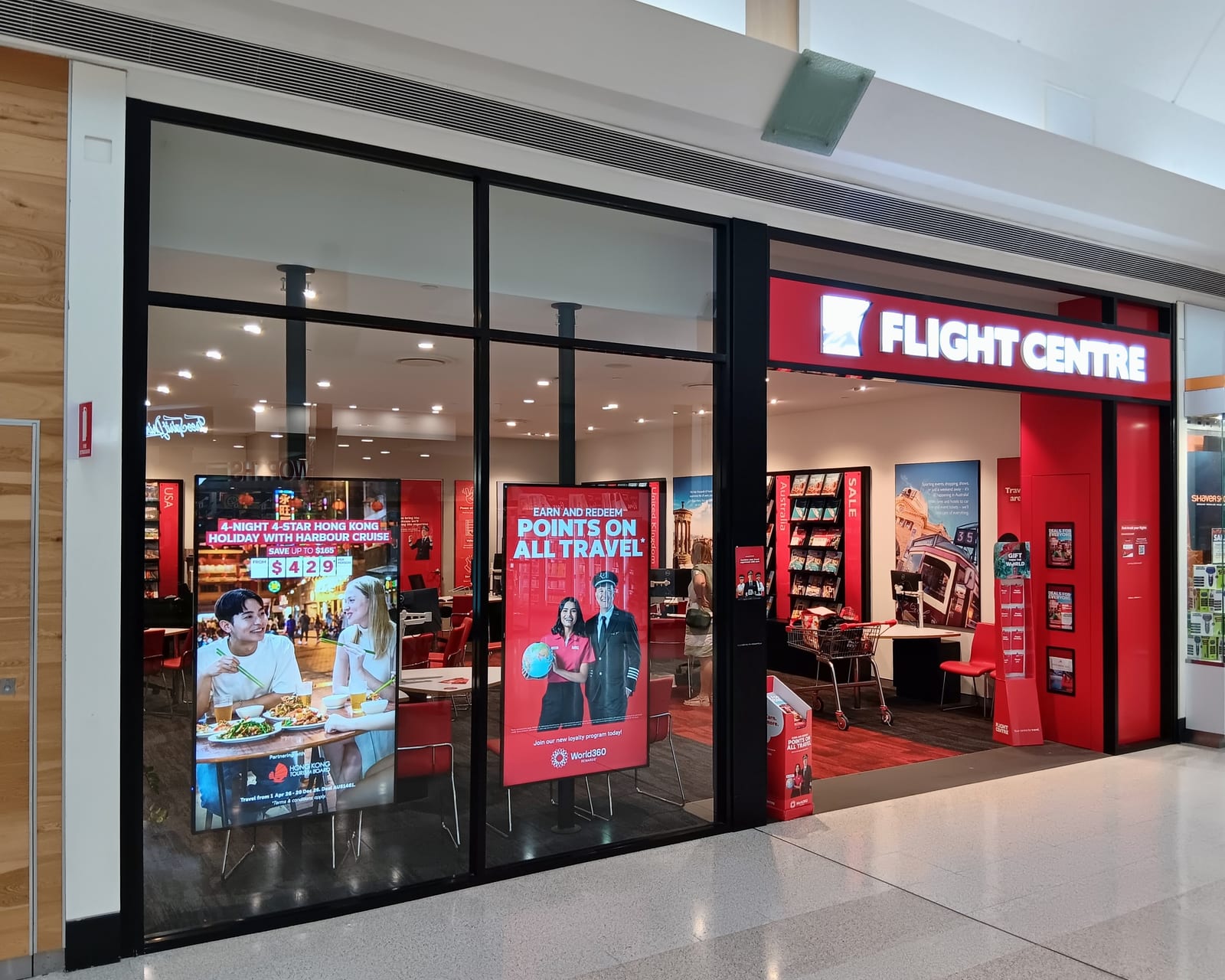
Australia’s Flight Centre Data Breach Exposes Customer Records and Passport Details

Flight Centre Travel Group has confirmed it is investigating a cybersecurity incident involving a third-party accommodation booking platform. The breach, which was disclosed on November 26, 2026, resulted in unauthorized access to customer records stored within a system utilized by several of the company’s leisure travel brands, including Flight Centre, Travel Associates, and Cruiseabout, as…