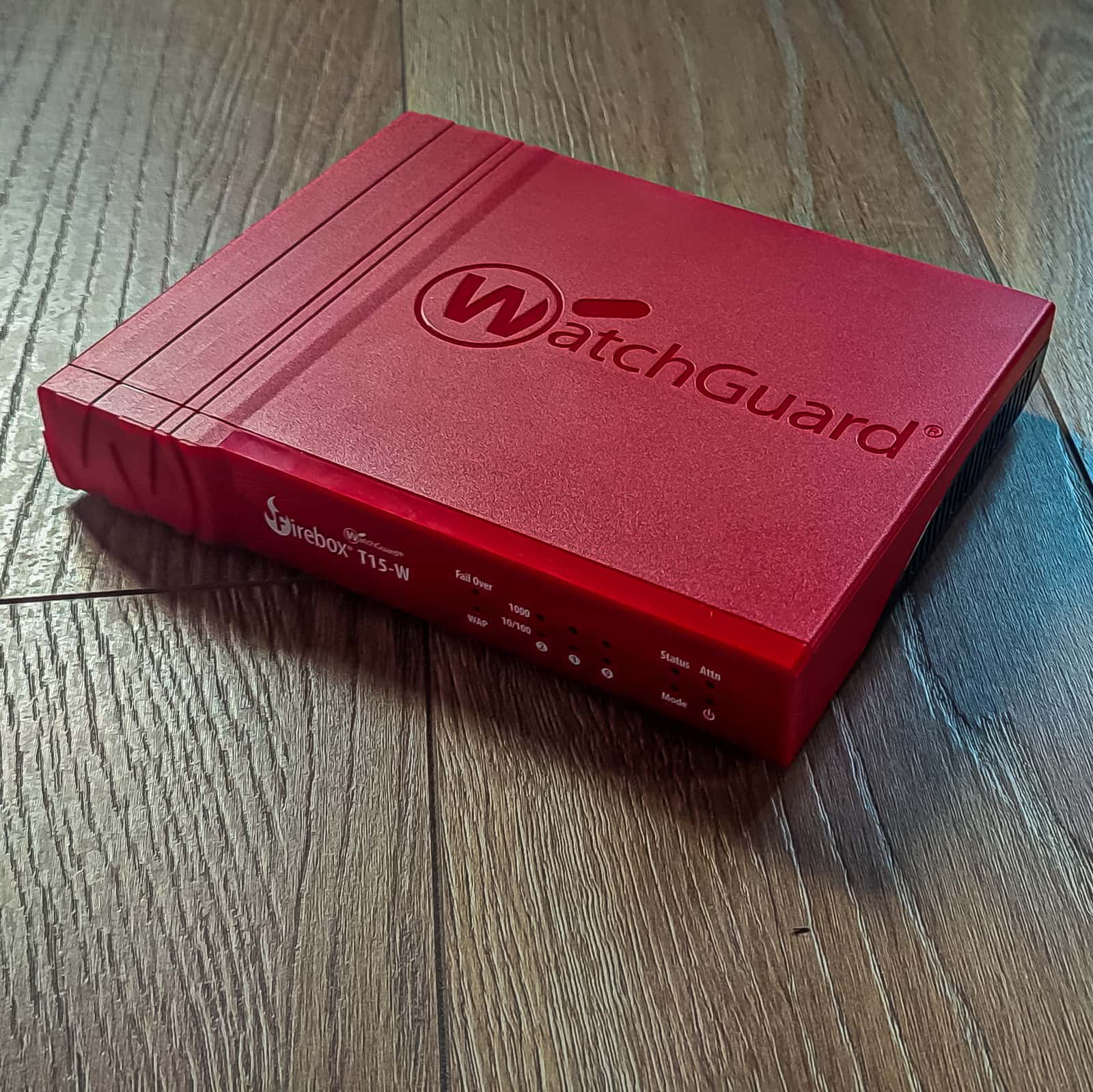
WatchGuard has released a series of patches addressing multiple vulnerabilities within its Fireware OS. The update targets a total of fifteen distinct security flaws, encompassing critical code injection vulnerabilities, denial-of-service issues, authorization bypasses, and path traversal bugs. This comprehensive patch aims to fortify the security posture of devices running the Fireware operating system.
Among the most significant issues addressed are code injection vulnerabilities. This class of flaw typically allows an attacker to introduce and execute arbitrary code within the context of the vulnerable application or operating system. Such vulnerabilities can lead to full system compromise, enabling attackers to gain control over the device, modify configurations, exfiltrate data, or establish persistent access. The specifics of the injection vector were not detailed, but these often involve improperly sanitized user input in web interfaces, configuration files, or network protocols.
The patches also cover denial-of-service (DoS) vulnerabilities. DoS flaws can be exploited to disrupt the normal operation of a device or service, making it unavailable to legitimate users. This might involve resource exhaustion, infinite loops, or crashes triggered by specially crafted network packets or malformed input. While not directly leading to data compromise, successful DoS attacks can severely impact business continuity and network availability.
Authorization bypass vulnerabilities were also part of the remediated issues. These types of flaws typically allow an attacker to circumvent security controls that restrict access to certain functions or data based on user roles or permissions. An attacker might be able to perform actions reserved for administrators or access sensitive information without proper authentication. Path traversal bugs, another category addressed, allow attackers to access files and directories stored outside the intended root directory by manipulating file paths, potentially leading to information disclosure or unauthorized file modification.
WatchGuard recommends that all users running Fireware OS apply these patches immediately. General mitigation strategies for these types of vulnerabilities include keeping all software up to date, implementing robust input validation on all user-supplied data, enforcing the principle of least privilege, and regularly auditing system configurations and logs. Network segmentation and intrusion detection/prevention systems can also help detect and block exploitation attempts.
The release of these patches underscores the continuous effort required to maintain the security of network infrastructure devices. Firewalls and unified threat management (UTM) appliances, like those running Fireware OS, are critical components of an organization's defense-in-depth strategy, making the timely remediation of such vulnerabilities paramount. The breadth of issues addressed, from critical code execution to more common path traversal flaws, highlights the diverse attack surface that security vendors must continually monitor and protect.