LIVE · cybersecurity feed
Live wire
patch

Weekly Update 518: IoT Doorlock Nirvana with UniFi

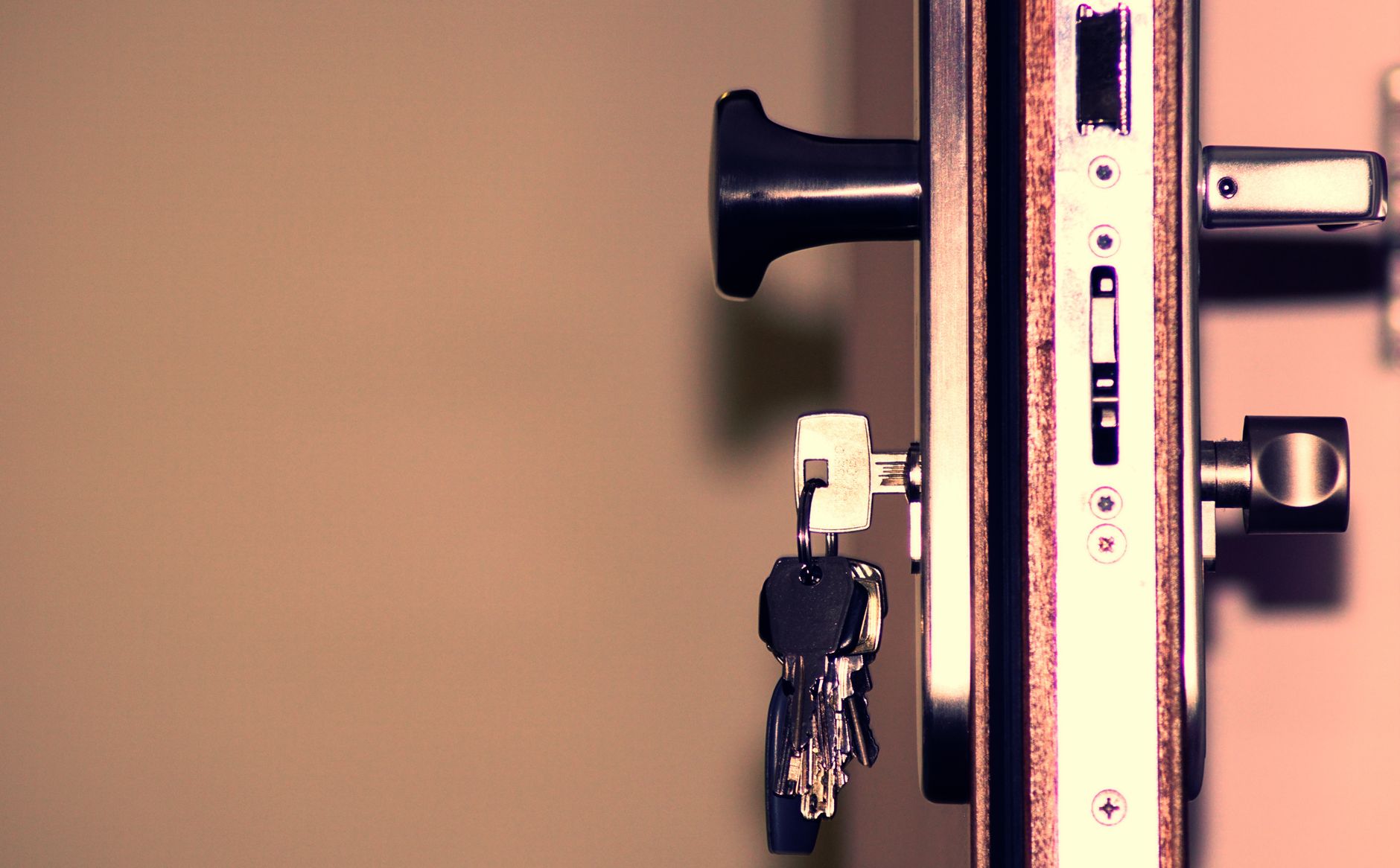
A recent report details a successful integration of Ubiquiti’s UniFi ecosystem for residential IoT door lock management. The report suggests that the UniFi platform offers a robust solution for home door security, addressing common challenges associated with consumer-grade IoT devices. The author expresses confidence in having "nailed" the implementation, attributing the core success to…

ZeroDay News ·

Source: Troy Hunt

A recent report details a successful integration of Ubiquiti’s UniFi ecosystem for residential IoT door lock management. The report suggests that the UniFi platform offers a robust solution for home door security, addressing common challenges associated with consumer-grade IoT devices. The author expresses confidence in having "nailed" the implementation, attributing the core success to Ubiquiti's design.

The technical mechanism behind this successful integration likely leverages the UniFi ecosystem's existing infrastructure, which typically includes network controllers, access points, and potentially other UniFi-branded devices. For door locks, this would involve UniFi Access products, which are designed for physical access control. These systems commonly integrate with network infrastructure to provide centralized management, user authentication, and event logging. The "main power" tenet mentioned in the report is crucial, indicating a preference for hardwired power over battery-dependent solutions, which eliminates a common point of failure and maintenance burden for IoT devices.

Ubiquiti’s UniFi product line is known for its unified management interface and enterprise-grade features often scaled down for prosumer and small business environments. In the context of door locks, UniFi Access typically offers features such as NFC card access, PIN codes, and remote unlocking via a mobile application, all managed through the UniFi controller interface. This centralized control simplifies user management, access scheduling, and monitoring of entry and exit events.

The likely scope of such an implementation would be a single residential property, as described in the report. However, the underlying UniFi Access technology is scalable and could be applied to larger residential complexes or small commercial settings. For residential users, the primary benefit is enhanced security and convenience, moving beyond disparate smart home devices to a more cohesive and centrally managed system.

Typical mitigation guidance for IoT security often emphasizes strong authentication, regular firmware updates, network segmentation, and secure configuration. While the report focuses on successful integration, these general security principles remain relevant. Ensuring that the UniFi controller and associated access devices are kept up-to-date and configured with strong, unique credentials is paramount to maintaining the security of the physical access system.

This report highlights a growing trend towards more integrated and robust IoT solutions for the home, moving beyond individual smart gadgets to interconnected systems. As consumers increasingly adopt smart home technology, the demand for reliable, secure, and easily manageable platforms like UniFi is likely to grow. The emphasis on core tenets like reliable power supply also underscores a maturing understanding of the practical requirements for dependable IoT deployments in residential settings.


patch
ShareXLinkedInWhatsAppFacebook

More News

view all →
security

Canadian cybersecurity executive arrested in federal extortion case

A Canadian cybersecurity executive was arrested in Pennsylvania on Thursday, facing federal charges of conspiracy to commit extortion. Edward Dubrovsky, 54, a co-founder and former Chief Operating Officer of CYPFER, a firm specializing in ransomware negotiation, is charged with conspiring to threaten the confidentiality of information for extortion and conspiring to commit Hobbs Act extortion,…

breach

Criminal IP Introduces AITEM as the Next Evolution of Attack Surface Management

AI SPERA, the company behind the cyber threat intelligence platform Criminal IP, has announced AITEM (AI-Powered Threat Exposure Management), an expansion of its Attack Surface Management (ASM) offerings. AITEM aims to move beyond traditional asset discovery to provide a more comprehensive approach to understanding, prioritizing, and responding to security exposures. The platform is scheduled…

ai

AI Is Getting Really Good at Messing With Cybercriminals

Anti-cybercrime initiatives are increasingly deploying artificial intelligence to disrupt scammers by engaging them with lifelike bots, which the criminals mistake for genuine victims. This strategy aims to waste scammers' time and resources while gathering intelligence on their operations.

ransomware

FBI Arrests Ransomware Negotiation Firm Co-Founder in ShinyHunters Probe

The Federal Bureau of Investigation (FBI) has reportedly arrested Edward Dubrovsky, a co-founder of the ransomware negotiation firm Cypfer and currently associated with CyberSteward. The arrest is said to be part of the ongoing ShinyHunters investigation, specifically in connection with an incident involving FBI job applicant data.

ai

The Third-Party Agent Problem: Why Security Built for AI You Chose Misses the Agents You Didn't

A new report highlights a significant blind spot in enterprise security architectures concerning the proliferation of third-party AI agents. The forthcoming 2026 State of Agent Security Report indicates that current security models, often designed to protect AI systems directly chosen and deployed by an organization, frequently fail to account for AI capabilities embedded within third-party…

security

Insider Cyber Extortion Plot Against Industrial Firm Lands Engineer in Prison

A former core infrastructure engineer has been sentenced to prison for an attempted cyber extortion plot against an industrial firm. The engineer reportedly deleted administrative accounts and reset hundreds of user passwords, subsequently demanding a ransom of 20 Bitcoin to prevent further disruption to the company's servers.



