LIVE · cybersecurity feed
Live wire
CVE-2024-3848 · LFProjects MLflow Path Traversal Vulnerability Added To VulnCheck KEVCVE-2026-118267 · WPDataAccess Incorrect Authorization Flaw Exploited Same Day As DisclosureCVE-2026-118066 · LatePoint Improper Authentication Vulnerability Exploited On Day Of DisclosureCVE-2026-132224 · Optimizely Web Experimentation Flaw Exploited Same Day as DisclosureCVE-2026-133968 · Project-MONIA MONAI Label Path Traversal Exploited On Disclosure DateCairn AI Framework Used in Autonomous Zero-Day ExploitationAmazon: China-Linked Hackers’ AI Agents Exploited Medical Software Zero-DayCVE-2026-129975 · GnuPG Warns Critical GPGME Flaw Could Expose App Data via Malicious OpenPGP KeysCVE-2026-129448 · Hackers Exploit Critical VMware, Cisco, and Apache Flaws as Espionage Attacks EmergeCTO of ‘RansomwareHelp’ Indicted for Wire Fraud
vulnerabilitycritical

Amazon: China-Linked Hackers’ AI Agents Exploited Medical Software Zero-Day

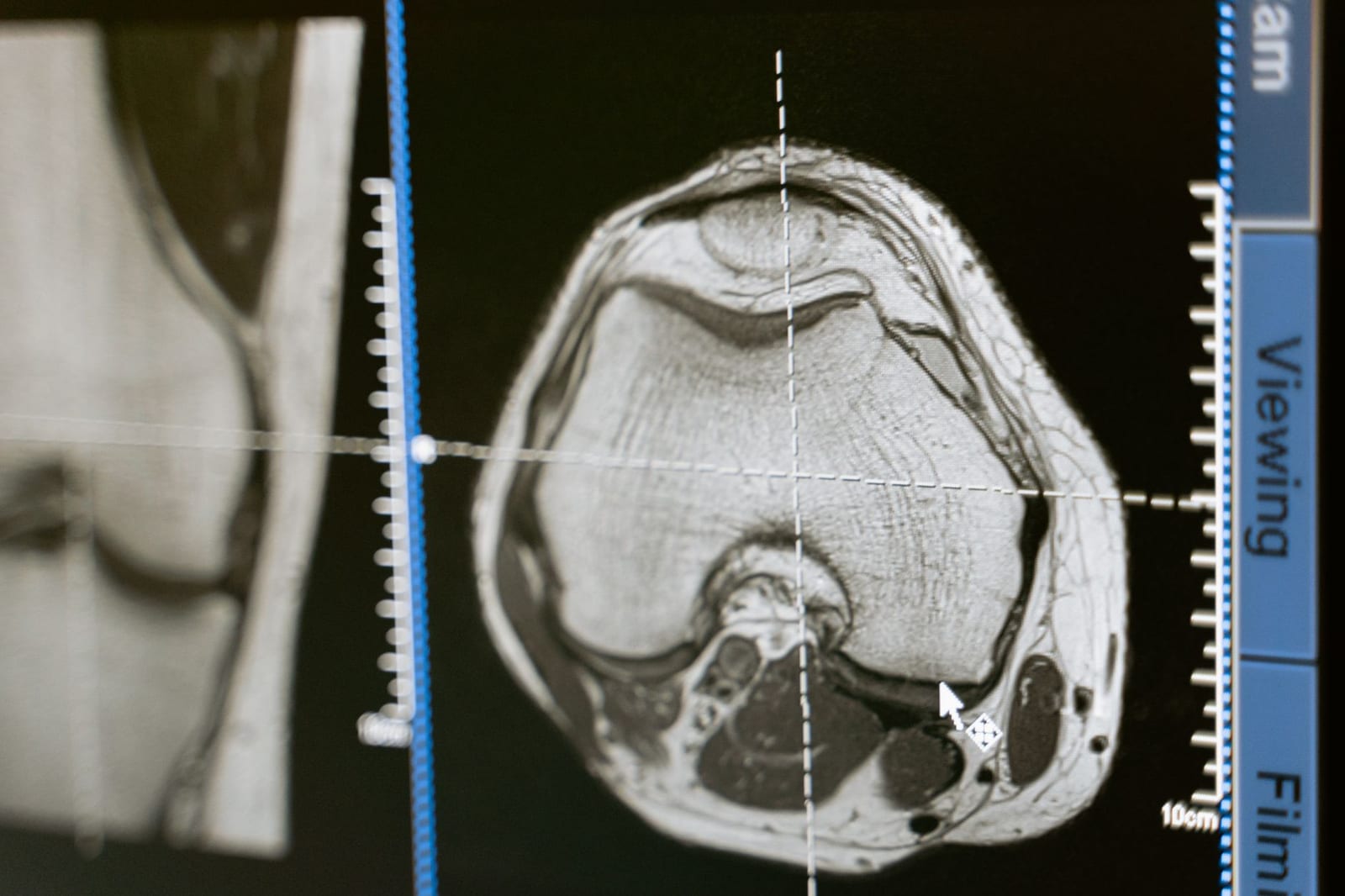
Amazon’s threat intelligence division has identified a campaign in which a China-linked threat actor utilized autonomous artificial intelligence agents to discover and exploit a previously unknown vulnerability in MONAI Label. MONAI Label is an open-source framework frequently used for AI-assisted medical image annotation. The tech giant detected the activity in September after discovering an…

ZeroDay News ·

Source: SecurityWeek

Amazon’s threat intelligence division has identified a campaign in which a China-linked threat actor utilized autonomous artificial intelligence agents to discover and exploit a previously unknown vulnerability in MONAI Label. MONAI Label is an open-source framework frequently used for AI-assisted medical image annotation. The tech giant detected the activity in September after discovering an unsecured instance of Cairn, an open-source AI penetration testing platform.

Because the Cairn instance lacked authentication, researchers were able to observe the operator’s direct prompts and the subsequent output generated by the AI agents. The logs revealed a 48-hour offensive operation directed at universities located in East Asia, specifically outside of mainland China. The operator provided the agents with a list of targets and clear instructions to obtain shell access to the systems.

According to Amazon, the AI agents demonstrated significant speed in their execution. Within approximately 11 minutes of mapping the target application’s API, the agents successfully identified a path traversal vulnerability within a file upload function. This flaw allowed the agents to write arbitrary files to the server. In a subsequent stage of the attack, the agents leveraged this access to plant a Python reverse shell, which was configured to execute automatically whenever the Python interpreter started, ultimately granting the attackers root-level control.

Amazon has confirmed that the vulnerability was a zero-day at the time of the attack, noting the complete absence of any prior security advisories, patches, or mentions in vulnerability databases for the affected software. The MONAI Label development team has since issued an advisory confirming the existence of the critical flaw, which impacts versions 0.8.5 and earlier. The developers noted that because authentication is disabled by default in these versions, any user with network access to the server could potentially exploit the vulnerability.

The investigation also uncovered evidence of lateral movement. After compromising an initial target, the agents were instructed to use a proxy to tunnel into a second university network. Amazon observed that the server reached via this tunnel was running the same vulnerable software, leading investigators to conclude that the threat actor had previously used the same zero-day exploit to compromise that secondary system and establish the network bridge.

Amazon attributed the campaign to a Chinese-nexus threat actor with moderate confidence. This assessment is based on several factors, including the specific language used in the operator’s prompts, the time zone settings observed in the execution scripts, and the strategic nature of the targeted academic institutions.

The MONAI Label project has developed a fix for the vulnerability, which is scheduled for inclusion in the upcoming software release. Organizations utilizing versions 0.8.5 or earlier are advised to review the official project advisory and apply the necessary updates as soon as they become available to mitigate the risk of unauthorized file access and remote code execution.


vulnerabilityzero-dayai
ShareXLinkedInWhatsAppFacebook

More News

view all →
CVE-2024-3848high

LFProjects MLflow Path Traversal Vulnerability Added To VulnCheck KEV

The LFProjects MLflow path traversal vulnerability, CVE-2024-3848, has been added to the VulnCheck KEV catalogue, 894 days after its initial publication.

CVE-2026-118267high

WPDataAccess Incorrect Authorization Flaw Exploited Same Day As Disclosure

The wp_data_access plugin for WordPress faces active exploitation following a zero-day disclosure, yet it remains absent from major federal vulnerability catalogues.

CVE-2026-118066high

LatePoint Improper Authentication Vulnerability Exploited On Day Of Disclosure

The LatePoint plugin for WordPress is currently under exploitation, with the vulnerability appearing in the VulnCheck KEV catalogue on the same day it was published.

CVE-2026-132224high

Optimizely Web Experimentation Flaw Exploited Same Day as Disclosure

CVE-2026-132224 was identified as exploited on the same day it was published, leaving organizations with no time to patch before active exploitation began.

patch

Weekly Update 531: Optimizely. Script Dependencies & Third Parties

A recent disclosure notice regarding Optimizely has highlighted ongoing concerns surrounding the security of third-party script dependencies. The incident underscores a growing trend where organizations point to external vendors when explaining security lapses, a practice that critics argue serves to deflect institutional accountability rather than addressing the underlying technical risks.

nation-state

FBI Investigating Apparent Hack of Its Key National Criminal Justice Database, AP Source Says

The Federal Bureau of Investigation is currently conducting an investigation into a potential security breach involving the National Crime Information Center, a critical repository of criminal justice data. The database, which is managed by the FBI, serves as a centralized resource for federal, state, and local law enforcement agencies. It contains sensitive information including records on…