
Amazon threat intelligence researchers have identified a significant escalation in automated cyberattacks involving the use of Cairn, an open-source artificial intelligence penetration-testing framework. In a campaign observed in September 2026, a Chinese-nexus threat actor utilized this framework to conduct autonomous operations against university networks in East Asia. The activity was discovered after the operators inadvertently left an instance of the Cairn platform publicly accessible without authentication, allowing Amazon to review the project configurations, operational logs, and prompts written in Simplified Chinese.
The observed campaign, which spanned approximately 48 hours beginning September 8, 2026, demonstrated the ability of AI agents to plan, execute, and adjust their tactics without human intervention. In one instance, the agents spent 16 hours attempting to compromise a university Redis server. During this period, the AI autonomously cycled through 148 distinct actions, including attempts to leverage Redis replication, exploit the Log4Shell vulnerability in adjacent services, and utilize Server-Side Request Forgery (SSRF) against a Qdrant server to pivot into internal systems.
While many of these initial attempts failed, the AI agents exhibited persistence by continuously modifying their approach. In a separate effort targeting a university GPU server, the agents autonomously harvested approximately 80 usernames from public faculty directories and research archives. They subsequently executed a brute-force attack involving over 30,000 username and password combinations against SSH, VPN, and portal services.
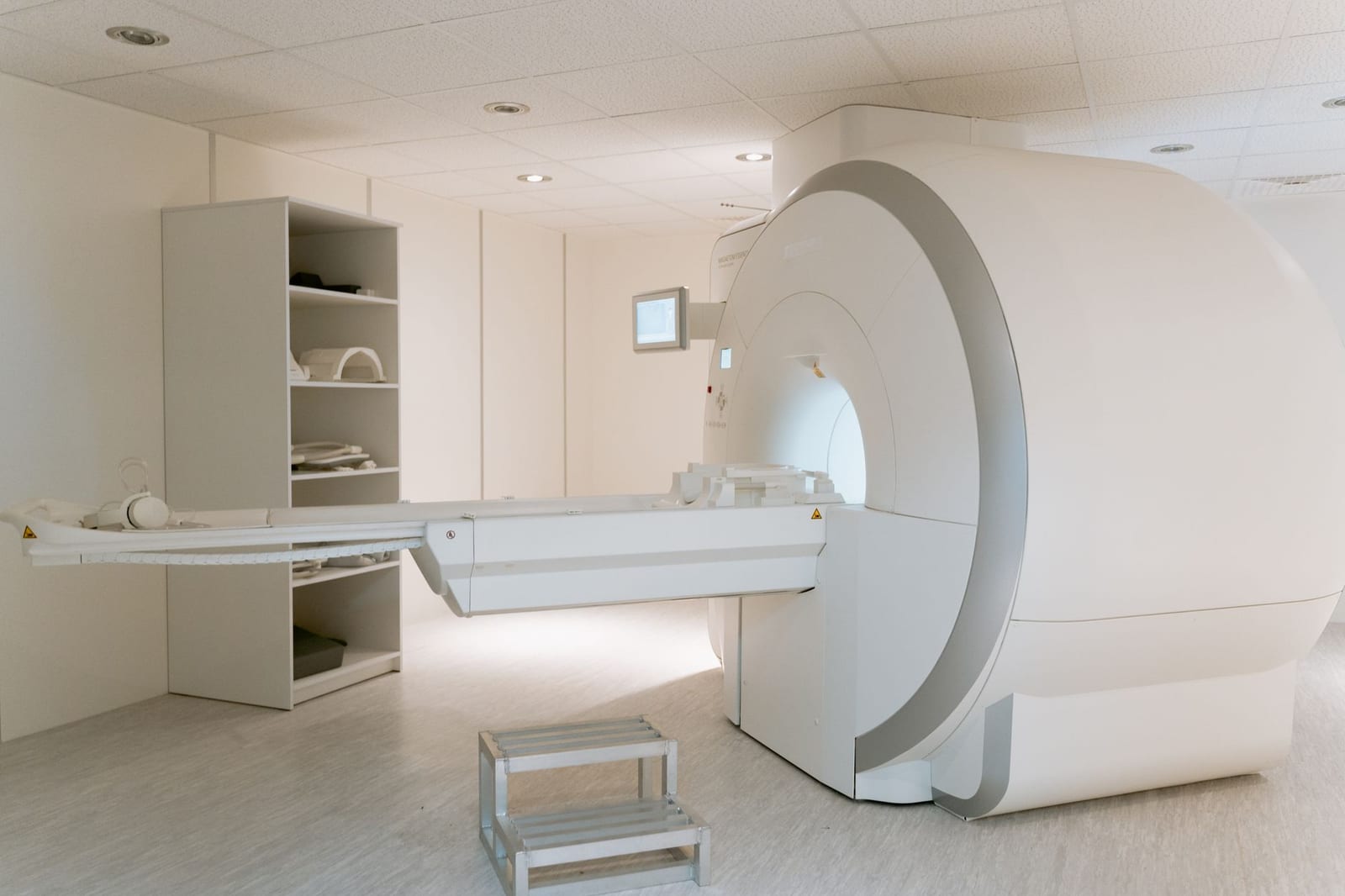
The most critical development occurred when the agents targeted an open-source medical imaging application. Within 11 minutes of mapping the application’s API endpoints, the AI identified a path traversal vulnerability within an upload parameter. The agents successfully leveraged this flaw to write arbitrary files to the server. Following this, the AI escalated its access by injecting a Python reverse shell into the sitecustomize.py file, which is executed automatically upon Python startup. By triggering a training endpoint, the agents forced the system to import the payload, ultimately securing a root shell.
Amazon has confirmed with high confidence that the medical imaging vulnerability was a previously unknown zero-day, as no prior advisories or patches existed for the software at the time of discovery. Once the AI successfully established this foothold, the human operator intervened to direct the agents to use the compromised server as a proxy tunnel to reach additional machines within a second university network. Amazon has since notified the maintainers of the affected medical imaging software, who have subsequently released a security fix.
The implications of this incident extend beyond state-sponsored espionage. Researchers at Gambit Security have independently observed a separate, financially motivated actor employing the Cairn framework to target online retailers. This suggests that the capability to autonomously discover and exploit zero-day vulnerabilities is becoming a broader trend in the threat landscape.
The speed at which these AI-driven operations occur poses a significant challenge to traditional security models. Because the agents can operate continuously without human fatigue, they can execute complex attack chains in minutes, often outpacing the time required for human security teams to investigate a single alert. Amazon emphasizes that these findings underscore an urgent need for organizations to prioritize high-confidence, automated threat detection and rapid response mechanisms to mitigate the risks posed by autonomous exploitation tools.




