LIVE · cybersecurity feed
Live wire
CVE-2024-3848 · LFProjects MLflow Path Traversal Vulnerability Added To VulnCheck KEVCVE-2026-118267 · WPDataAccess Incorrect Authorization Flaw Exploited Same Day As DisclosureCVE-2026-118066 · LatePoint Improper Authentication Vulnerability Exploited On Day Of DisclosureCVE-2026-132224 · Optimizely Web Experimentation Flaw Exploited Same Day as DisclosureCVE-2026-133968 · Project-MONIA MONAI Label Path Traversal Exploited On Disclosure DateCairn AI Framework Used in Autonomous Zero-Day ExploitationAmazon: China-Linked Hackers’ AI Agents Exploited Medical Software Zero-DayCVE-2026-129975 · GnuPG Warns Critical GPGME Flaw Could Expose App Data via Malicious OpenPGP KeysCVE-2026-129448 · Hackers Exploit Critical VMware, Cisco, and Apache Flaws as Espionage Attacks EmergeCTO of ‘RansomwareHelp’ Indicted for Wire Fraud
security

NSA resumes normal operations following internal network disruptions

The National Security Agency has confirmed that its internal communications infrastructure is largely back to normal following a week of significant technical disruptions. The agency, which relies on a secure network known as NSANet to transmit classified information, experienced widespread outages that persisted for three days. While the agency has officially stated it is operating under…

ZeroDay News ·

Source: The Record

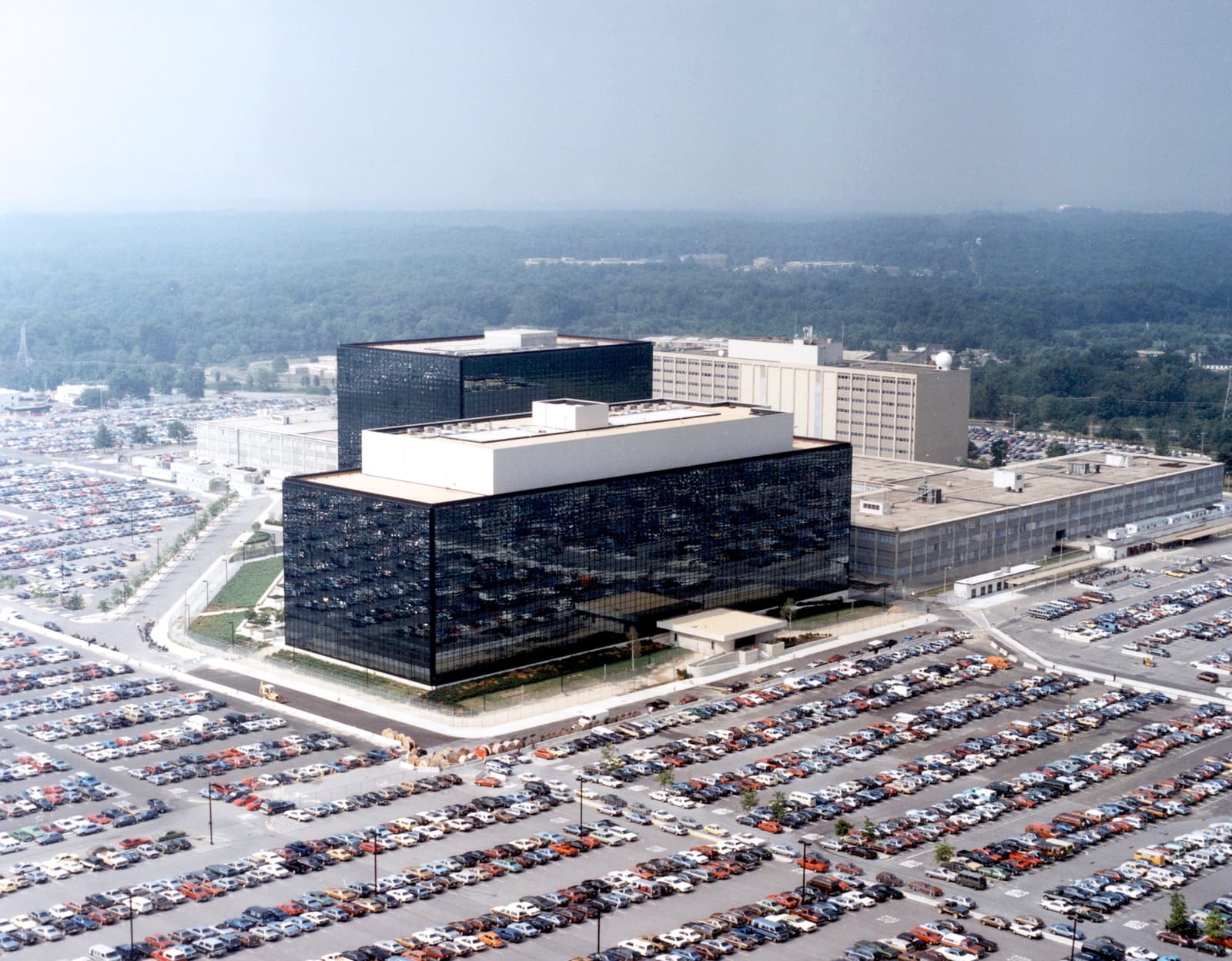
Photo: National Security Agency (Public domain) via Wikimedia Commons

The National Security Agency has confirmed that its internal communications infrastructure is largely back to normal following a week of significant technical disruptions. The agency, which relies on a secure network known as NSANet to transmit classified information, experienced widespread outages that persisted for three days. While the agency has officially stated it is operating under normal conditions, some lingering operational adjustments remain in effect, with certain facilities continuing to operate under a status that requires non-essential personnel to coordinate with supervisors regarding delayed schedules.

The root cause of the failure has been identified as a series of maintenance updates applied to PHP, a widely utilized programming language. According to Director of National Intelligence Jay Clayton, the instability arose when systems failed to reboot as anticipated following the application of these patches. The resulting technical instability prevented various internal systems from coming back online, necessitating a prolonged recovery effort to restore full functionality to the agency’s network.

Despite the severity of the internal communications failure, the agency has maintained that the incident was strictly a technical malfunction. Administration officials have explicitly denied that the outages were the result of a cyberattack. Furthermore, officials have clarified that these network issues are entirely unrelated to broader, concurrent IT disruptions that have recently affected various sectors, including the airline industry, online banking services, and products within the Microsoft ecosystem.

The impact of the outage was felt across multiple agency locations, including the facility in Georgia. While the disruptions caused significant workplace interruptions, sources familiar with the situation have indicated that core intelligence operations remained unaffected. Specifically, the agency’s mission-critical work regarding the Middle East continued without degradation, and the technical issues did not hinder the agency’s ability to provide necessary support for President Donald Trump’s recent diplomatic travel to Asia.

The recovery process involved a phased approach to bringing systems back online. While the agency has reached a state of general normalcy, the persistence of specific workplace protocols suggests that the technical team is still managing the final stages of the remediation effort. The agency has not released specific technical details regarding the version of PHP involved or the specific nature of the patch failure, focusing instead on the restoration of its classified communications capabilities.

This incident highlights the inherent risks associated with routine maintenance of ubiquitous software dependencies within highly secure, classified environments. Even standard updates to foundational programming languages can lead to cascading failures when integrated into complex, legacy, or highly customized network architectures. The agency continues to monitor its infrastructure to ensure that the systems remain stable following the recent patch deployment.


ShareXLinkedInWhatsAppFacebook

More News

view all →
patch

Weekly Update 531: Optimizely. Script Dependencies & Third Parties

A recent disclosure notice regarding Optimizely has highlighted ongoing concerns surrounding the security of third-party script dependencies. The incident underscores a growing trend where organizations point to external vendors when explaining security lapses, a practice that critics argue serves to deflect institutional accountability rather than addressing the underlying technical risks.

nation-state

FBI Investigating Apparent Hack of Its Key National Criminal Justice Database, AP Source Says

The Federal Bureau of Investigation is currently conducting an investigation into a potential security breach involving the National Crime Information Center, a critical repository of criminal justice data. The database, which is managed by the FBI, serves as a centralized resource for federal, state, and local law enforcement agencies. It contains sensitive information including records on…

breach

Rackspace Spot breach let hackers access customer Kubernetes secrets

Rackspace has confirmed a security breach affecting its Rackspace Spot cloud platform, a service designed for managing containerized applications through Kubernetes. The unauthorized access occurred on November 17, 2026, spanning a window from approximately 00:20 to 22:00 UTC. The company discovered the intrusion on November 18 following a report from a customer and subsequently verified that…

CVE-2024-3848high

LFProjects MLflow Path Traversal Vulnerability Added To VulnCheck KEV

The LFProjects MLflow path traversal vulnerability, CVE-2024-3848, has been added to the VulnCheck KEV catalogue, 894 days after its initial publication.

CVE-2026-118267high

WPDataAccess Incorrect Authorization Flaw Exploited Same Day As Disclosure

The wp_data_access plugin for WordPress faces active exploitation following a zero-day disclosure, yet it remains absent from major federal vulnerability catalogues.

CVE-2026-118066high

LatePoint Improper Authentication Vulnerability Exploited On Day Of Disclosure

The LatePoint plugin for WordPress is currently under exploitation, with the vulnerability appearing in the VulnCheck KEV catalogue on the same day it was published.


