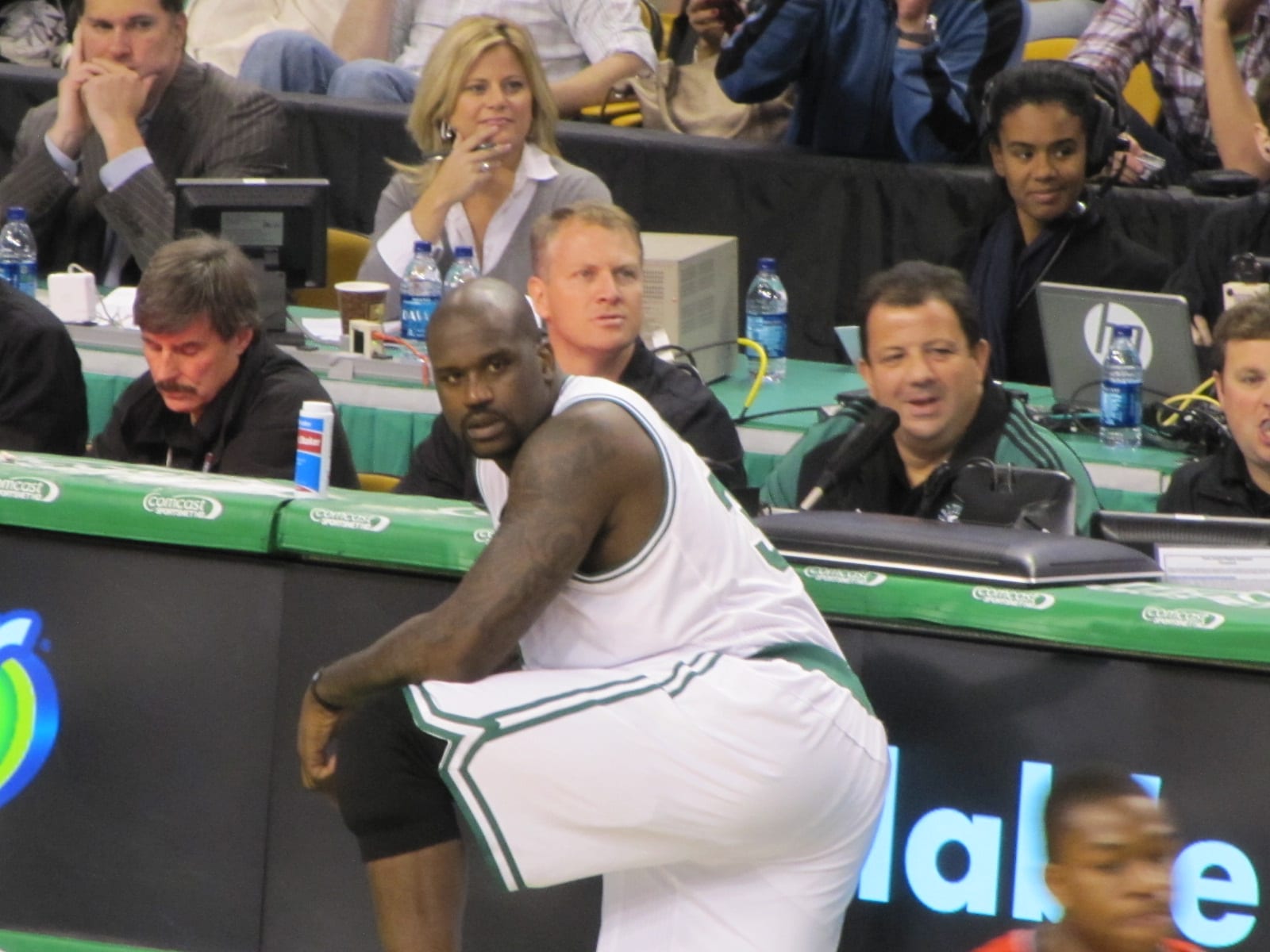
NBA legend Shaquille O'Neal has disclosed that he was targeted in a cyberattack, an experience that prompted him to become a brand ambassador for the security firm NordVPN. O'Neal shared details of the incident at a promotional event in Times Square on Wednesday, emphasizing the importance of digital security for the general public.
O'Neal stated that he was "hacked for the first time" by scammers who falsely claimed to be involved in a real estate transaction he was pursuing. While he described it as "not a bad hack," the incident made him realize his vulnerability and the need to learn more about cybersecurity. He acknowledged that he initially believed such an event couldn't happen to him, but now understands that anyone can be a target.
The four-time NBA champion, who is also a prolific tech investor, clarified that his primary motivation for partnering with NordVPN is to raise public awareness about personal privacy and digital defense. He stressed that individuals need to "have control of their own information." O'Neal light-heartedly mentioned having a video of himself "beating up Charles Barkley" that he wouldn't want the world to see, as an example of personal content people might wish to protect.
While O'Neal doesn't believe he has particularly sensitive data on his devices, he admitted that his high profile leads him to constantly consider extra precautions for himself and his loved ones. However, he strives not to let these concerns "consume" him, instead focusing on developing "great reactionary skills" should an incident occur.
NordVPN, known primarily for its virtual private network service, also offers a suite of other security products, including antivirus, threat detection, and scam-defense tools designed for consumer accessibility. Marijus Briedis, NordVPN's chief technology officer, highlighted the company's focus on education, citing a recent poll indicating that 73 percent of Americans are overconfident in traditional antivirus solutions, believing they offer protection against a wide range of threats from identity theft to online tracking. Briedis noted that the "weakest link is between the computer and the chair," underscoring the human element in cybersecurity.