
patch news
415 stories · page 9 of 9
CISA orders feds to patch max severity ColdFusion flaw by Friday
The U.S. Cybersecurity and Infrastructure Security Agency (CISA) has mandated that federal agencies patch a critical vulnerability in Adobe ColdFusion by Friday. This directive, issued under Binding Operational Directive 26-04, targets a flaw designated CVE-2026-48282, which is actively being exploited by malicious actors.

Threat Actors Probe Gitea Docker Flaw CVE-2026-20896 13 Days After Disclosure
Security researchers have detected malicious actors actively probing for a critical vulnerability in Gitea Docker images, just thirteen days after the issue was publicly disclosed and patched. The vulnerability, designated CVE-2026-20896, carries a severe CVSS score of 9.8, indicating a high level of risk.
RCS Uses NAPTR Records for DNS Resolution
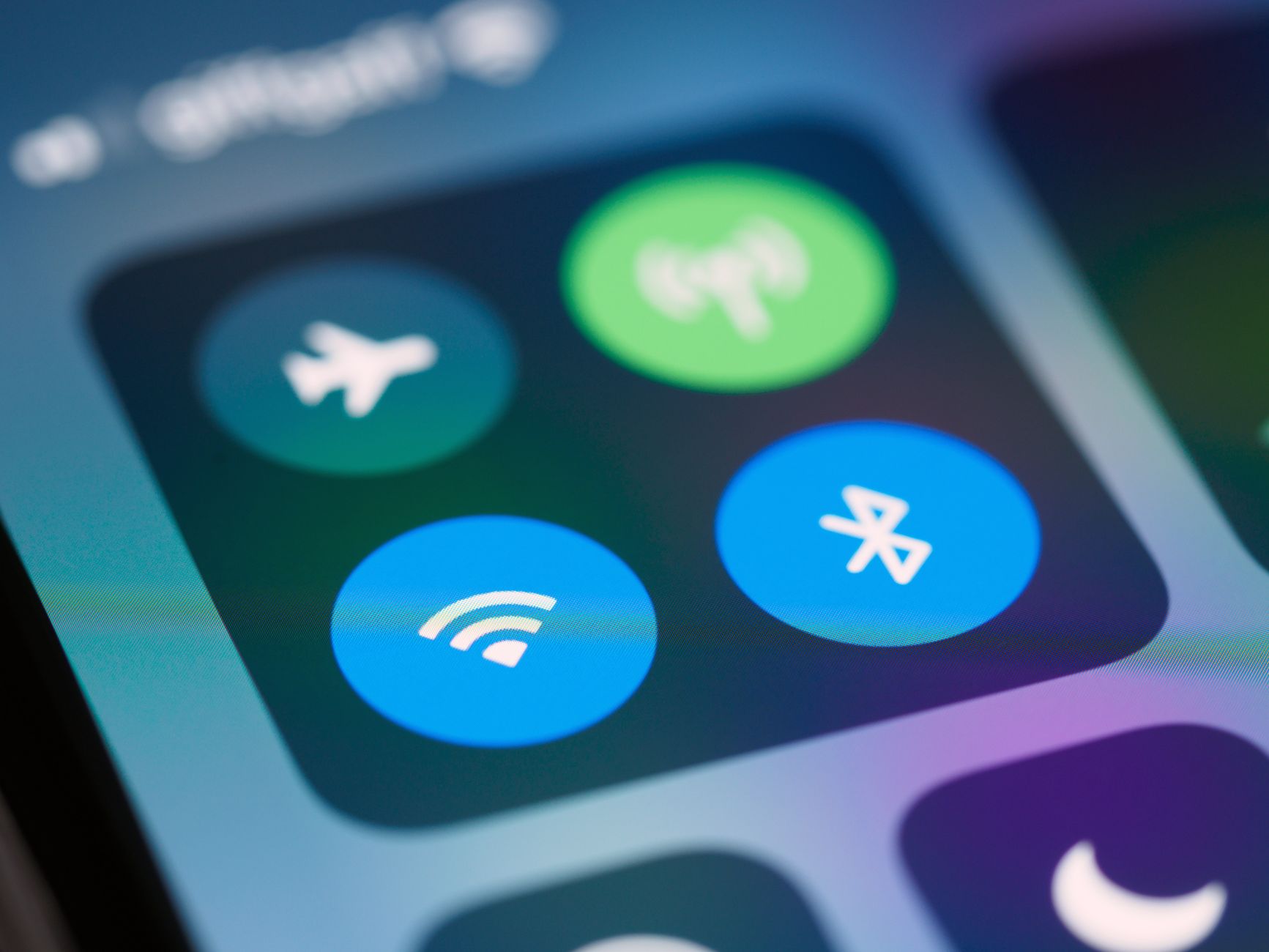
Rich Communication Services (RCS), a modern messaging protocol intended to succeed SMS, has seen increased adoption over the past year, particularly with recent updates to both iOS and Android operating systems. RCS offers enhanced formatting capabilities and improved security features compared to its predecessor.
Opera GX Flaw Let Malicious Sites Auto-Install Mods to Steal Data From Visited Pages
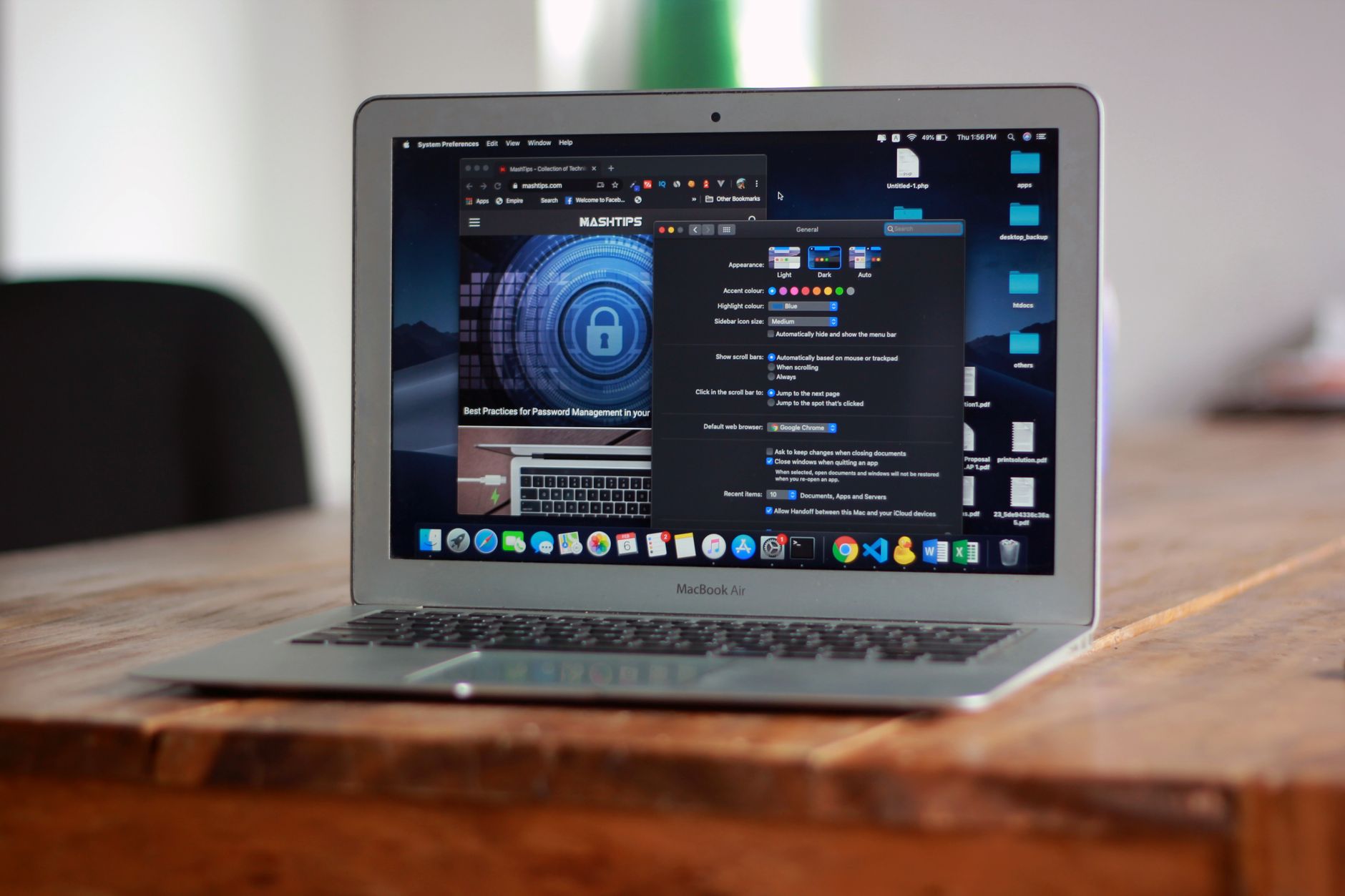
A security vulnerability discovered in the Opera GX browser could allow malicious websites to silently install add-ons and exfiltrate data from visited pages. The flaw, demonstrated by researchers, specifically targets the gaming-oriented version of the Opera browser.
Unpatched Flaws Disclosed in Filesystem Bundled Into Millions of Embedded Devices
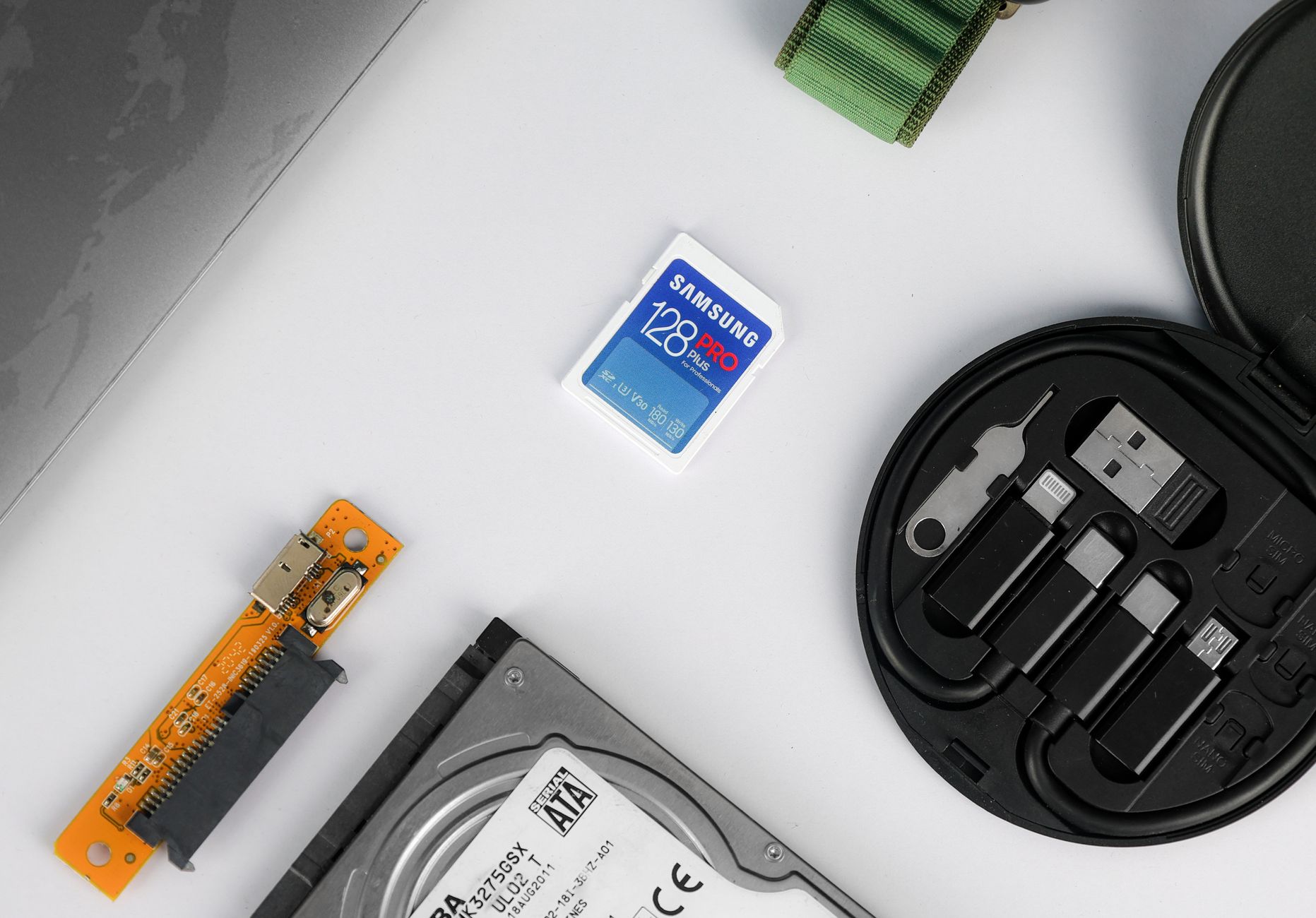
A cybersecurity firm has revealed seven security weaknesses in FatFs, a widely deployed filesystem library. FatFs is used by millions of embedded devices to read and write data on FAT and exFAT formatted storage media, such as USB drives and SD cards. The vulnerabilities were disclosed by the security firm runZero.

New "Bad Epoll" Linux Kernel Flaw Lets Unprivileged Users Gain Root, Hits Android
A critical vulnerability, dubbed "Bad Epoll" and identified as CVE-2026-46242, has been discovered in the Linux kernel. This flaw allows an unprivileged user to gain complete root-level control over a compromised system. The vulnerability impacts a wide range of Linux-based systems, including desktop and server distributions, as well as the Android mobile operating system. Fortunately, a patch…

Apple Reverses Age-Old Patch Policy to Keep Up With AI
Apple is signaling a shift in its long-standing patching strategy, indicating a move towards more frequent and compressed software updates. This change is a direct response to the evolving threat landscape, particularly the growing use of artificial intelligence by malicious actors to accelerate the process of discovering and exploiting vulnerabilities.

Anthropic's AI Finds Bugs. IBM Bets $5B It Can Fix Them.
IBM has launched a significant initiative, codenamed Project Lightwell, involving 20,000 engineers from IBM and Red Hat. This effort is reportedly a response to concerns surrounding the security of the open-source software supply chain, amplified by findings from Anthropic's AI model, Mythos.

And the Winner in Dominant Malware Delivery? ClickFix
A sophisticated social engineering tactic, previously considered an outlier, has become a prevalent method for delivering malware, according to security researchers. This technique, which leverages user interaction to facilitate malicious payloads, is now frequently employed in cyberattacks.

Weekly Update 510: Live From Mallorca with Scott Helme
A website that once aimed to shame organizations for neglecting transport layer security has been found to be running on outdated and vulnerable software. The "Why no HTTPS?" project, launched eight years ago by Scott Helme and another individual, is now itself a target for potential exploitation due to unpatched systems.

Apple Releases June Software Updates
Apple issued software updates on Monday for its iOS/iPadOS and macOS operating systems, along with a refresh for its Safari web browser. These releases mark the latest security and feature patches from the technology giant.

Weekly Update 509
A newly identified vulnerability in certain versions of the Realtek SDK could potentially allow attackers to execute arbitrary code on affected devices. The vulnerability, identified as CVE-2023-32250, was discovered by security researchers at GRIMM.

Weekly Update 508
This week's security update highlights a peculiar vulnerability in a common household item: smart light switches. While the specifics of the exploit are not detailed, the report indicates that certain smart light switches possess a flaw that could potentially be leveraged by malicious actors.

Weekly Update 507
A cybersecurity data breach tracking initiative has surpassed a significant milestone, having now documented over 1,000 separate data breaches. This achievement represents not only the collection and verification of breach data but also the extensive operational efforts required to maintain the service.

A Record-Breaking Patch Tuesday for June 2026
Microsoft has released a record-breaking set of software updates for June 2026, addressing nearly 200 security vulnerabilities across its Windows operating systems and related software. This significant number of patches, with close to three dozen classified as critical, reflects an increasing trend in vulnerability discovery, potentially driven by the growing use of artificial intelligence…

Microsoft Patch Tuesday for June 2026 — Snort rules and prominent vulnerabilities
Microsoft has released its June 2026 security update, addressing a total of 206 vulnerabilities across its product range, with 32 of these classified as "critical." The update includes fixes for numerous remote code execution (RCE) and elevation of privilege vulnerabilities affecting core Windows components, as well as products like Microsoft Office, SQL Server, and Azure Kubernetes Service.

Smashing Security podcast #470: This AI security flaw might be impossible to fix
A website that purported to assist travelers with UK visa applications has been found to have collected sensitive personal data, including passport scans and selfies, from thousands of users. The data was reportedly stored in an unsecured Amazon storage bucket, making it accessible to unauthorized individuals. When a journalist attempted to alert the company operating the website, they were…

Weekly Update 506
A recent wave of data breaches attributed to the threat actor group ShinyHunters has brought renewed attention to the challenges organizations face in responding to and disclosing such incidents. While the criminal nature of these attacks is evident, the varying degrees of organizational response, including instances of non-disclosure, highlight ongoing issues in cybersecurity incident…

Less panic patching, more precision
Security teams are being urged to re-evaluate their vulnerability management strategies to better prepare for an anticipated surge in patching requirements. The current default practice of prioritizing vulnerabilities based solely on the Common Vulnerability Scoring System (CVSS) is insufficient, as CVSS measures theoretical severity rather than actual risk.

Weekly Update 505
A significant data breach impacting Instructure, the company behind the Canvas learning management system, appears to have been averted or mitigated shortly after it was discovered. The threat actor group ShinyHunters, which had claimed responsibility for the incident, ceased its activity shortly after the initial reports of the breach.

Weekly Update 504
The debate surrounding whether to pay ransoms to cybercriminals to prevent data leaks continues to be a significant concern for organizations. In a recent development, Grafana, a popular open-source analytics and monitoring solution, reportedly chose not to pay a ransom demand. This decision comes amidst ongoing discussions about the efficacy and ethical implications of ransom payments in the…

A 0-click exploit chain for the Pixel 10: When a Door Closes, a Window Opens
Researchers have developed a two-exploit chain that can achieve root access on the Google Pixel 10, starting from a zero-click attack vector. This chain builds upon previous work that demonstrated a similar exploit for the Pixel 9.

Weekly Update 503
Instructure, the company behind the Canvas learning management system, has not yet publicly addressed a potential data breach, despite a deadline set by a ransomware group known as ShinyHunters. The group had threatened to leak data allegedly stolen from Instructure by November 20th.

On the Effectiveness of Mutational Grammar Fuzzing
Mutational grammar fuzzing, a technique that uses predefined grammars to guide sample mutation while preserving structural integrity, faces significant challenges that can hinder bug discovery despite its proven effectiveness. While the approach ensures generated samples adhere to structural rules, leading to the discovery of complex issues in areas like XSLT implementations and JIT engines,…

A Deep Dive into the GetProcessHandleFromHwnd API
The GetProcessHandleFromHwnd API, a Windows function that allows an application to obtain a handle to the process owning a specific window handle (HWND), has undergone significant changes since its introduction, with its original documentation containing several inaccuracies. Initially believed to be a convenience function relying on window hooks, its implementation and security properties…

Bypassing Administrator Protection by Abusing UI Access
A security researcher has detailed multiple vulnerabilities in Windows' User Account Control (UAC) system, specifically concerning the "UI Access" feature, which were present even before the introduction of Administrator Protection. These bypasses, totaling nine discovered by James Forshaw, have since been addressed by Microsoft. This article focuses on five of these issues, stemming from the…

Breaking the Sound Barrier, Part II: Exploiting CVE-2024-54529
A type confusion vulnerability in Apple's CoreAudio framework, identified as CVE-2024-54529, has been successfully exploited by a Google security engineer. The vulnerability resides within the `coreaudiod` system daemon, specifically in the `com.apple.audio.audiohald` Mach service. Researchers discovered that certain message handlers within this service would retrieve an object from an…

Bypassing Windows Administrator Protection
Microsoft's Administrator Protection feature, intended to replace User Account Control (UAC) with a more secure system for granting administrator privileges in Windows 11, has been found to be bypassable. The feature, introduced in Windows 11 version 25H2, aims to allow local users to access administrative rights only when necessary, creating a more robust security boundary. However, security…

A 0-click exploit chain for the Pixel 9 Part 3: Where do we go from here?
The Android ecosystem faces significant challenges in mitigating zero-click exploit chains, particularly concerning audio processing components and device drivers, according to recent research. While specific vulnerabilities in the Dolby UDC (Universal Decode Component) and a BigWave driver were identified and exploited, the broader implications highlight systemic issues in attack surface…

A 0-click exploit chain for the Pixel 9 Part 2: Cracking the Sandbox with a Big Wave
A security researcher has identified a critical vulnerability in the Linux kernel used by Google Pixel devices, specifically affecting the BigWave hardware accelerator. This flaw, if exploited, could allow an attacker to escape the restricted "mediacodec" sandbox and gain arbitrary read and write capabilities within the kernel. The vulnerability was discovered by Seth Jenkins, who detailed his…

A 0-click exploit chain for the Pixel 9 Part 1: Decoding Dolby
Google's Pixel 9 devices are susceptible to a zero-click exploit chain that targets the Dolby Unified Decoder (UDC), a component responsible for processing Dolby Digital and Dolby Digital Plus audio formats. This vulnerability allows for arbitrary code execution within the mediacodec context of the device, forming the first stage of a more complex attack. The exploit chain was developed by…