
News Archive
1920 stories · page 68 of 80Every story we've published, newest first. Vulnerability records live in the CVE Tracker.

Censys Internet Map links real-time DNS data to internet infrastructure
Censys has enhanced its Internet Map by integrating real-time DNS data. This allows security professionals to easily correlate domain names with the underlying internet infrastructure. The update aims to streamline investigations by consolidating information previously spread across multiple tools into a single platform.

Blackpoint AI SOC Agent autonomously contains identity-based attacks
Blackpoint Cyber has released an AI-powered security agent designed to automatically detect and neutralize identity-based cyberattacks. This agent focuses on threats targeting cloud-based productivity suites like Microsoft 365 and Google Workspace. By leveraging a combination of artificial intelligence and human oversight, the system aims to significantly reduce the time it takes to contain compromised accounts and prevent further damage.

First Recon AI Security Runtime helps enterprises govern AI with audit-ready evidence
First Recon AI has released its AI Security Runtime, a new platform designed to help organizations manage and secure their use of artificial intelligence. The system monitors all AI interactions, enforces policies before data is processed by models, and creates auditable records of AI decisions, enabling faster AI adoption with robust governance.
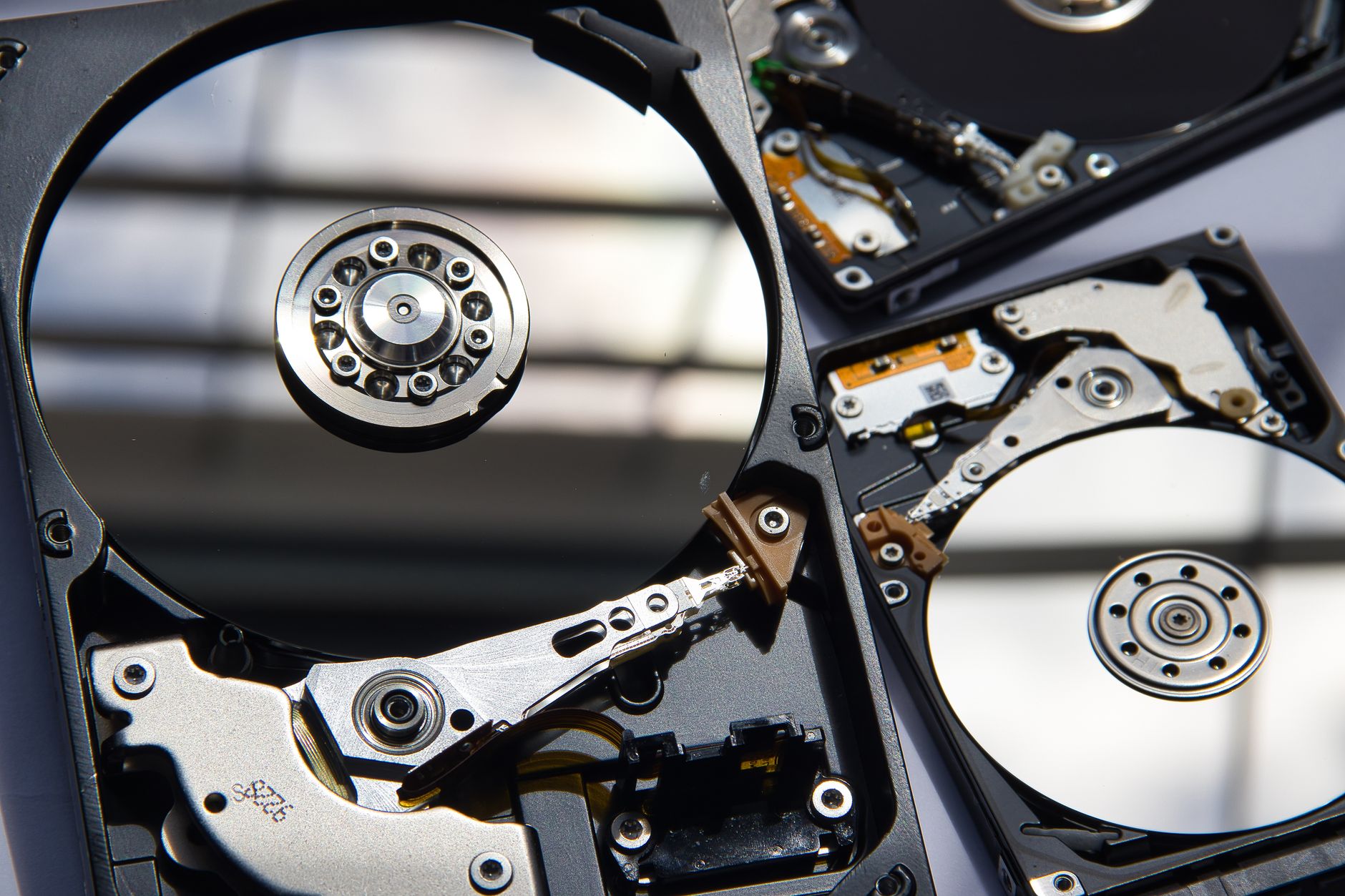
FalconStor Cloud Clean Room enables validated recovery without dedicated infrastructure
FalconStor has introduced Cloud Clean Room, a new platform that allows organizations to test data recovery processes without needing their own dedicated infrastructure. This solution utilizes a secure enclave approach, ensuring that recovery tests begin from a clean, known state to prevent the propagation of errors. The platform is built on FalconStor's zero trust secure enclave technology and can be integrated with other services.

Introducing Meerkat: an experiment in global consensus
Cloudflare has developed Meerkat, an experimental distributed consensus service designed to manage control-plane state across its global data centers. Unlike traditional consensus algorithms like Raft, which can suffer from leader failures and timeouts, Meerkat utilizes the QuePaxa algorithm. This allows all replicas to perform writes simultaneously and ensures continuous availability even during network disruptions, making it suitable for Cloudflare's expansive and unpredictable network infrastructure.

Security Teams Are Ready To Become More Preemptive. What’s Holding Them Back?
A recent survey of security professionals reveals a strong desire to shift towards more preemptive security strategies. However, organizations face significant hurdles, including limited resources, fragmented security tools, and the emerging risks associated with AI. While many teams are exploring AI's potential for efficiency, concerns about its security and transparency remain.

DNSFilter makes its DNS threat protection available to OEM partners
DNSFilter is now offering its DNS threat protection and privacy solutions to original equipment manufacturers (OEMs). This program allows other companies, such as ISPs and device makers, to integrate DNSFilter's services into their own products. Partners can opt for DNS-layer threat blocking or full-device encryption and privacy services, or both.

Felons, Fraudsters Flog Offensive Cybersecurity Startup
A cybersecurity startup named IRIS C2, which claims to acquire zero-day vulnerabilities for potentially millions of dollars, is reportedly run by convicted felons Jack Burkman and Jacob Wohl. The duo has a history of operating under assumed names and engaging in fraudulent activities, including spreading misinformation and securities fraud. Despite their past, IRIS C2 is actively recruiting vulnerability researchers and claims to be developing offensive cybersecurity capabilities, though their specific government contracts remain unclear.
Threat Actors Uses Agentic AI to Rapidly Compromise Cloud Target
Researchers have identified threat actors leveraging agentic artificial intelligence to significantly speed up cloud compromises. What would typically take weeks of manual effort was accomplished in a mere 72 hours, demonstrating a new level of efficiency in cyberattacks.

Your next car could be watching your face
New regulations in the EU and upcoming US mandates require driver-monitoring technology in all new cars to enhance safety by detecting drowsiness and distraction. However, these systems raise significant privacy concerns, including constant biometric surveillance, potential data sharing with insurers, increased vehicle costs, and the risk of false positives or expanded monitoring through software updates. Consumers are advised to research privacy policies and disable non-essential data-sharing features when purchasing new vehicles.

MassTraction Exploits Roundcube Flaws at US, Canadian Universities
A threat group known as UNK_MassTraction, believed to be linked to China, is exploiting vulnerabilities in Roundcube webmail to gain unauthorized access to sensitive research mail servers at universities in the United States and Canada. The attackers are reportedly stealing user sessions to achieve this access.

Telco giant KDDI says data breach affects over 12 million people
KDDI, a major Japanese telecommunications company, has reported a significant data breach impacting over 12 million individuals. The breach occurred on an email platform utilized by five national internet service providers, resulting in the exposure of email addresses and passwords.

Telegram-Hosted RedWing Malware Lets Anyone Rent Android Spyware Tools
A new Android spyware operation called RedWing, linked to Russian threat actors, is being offered as a subscription service on Telegram. This Malware-as-a-Service (MaaS) product requires no coding skills and allows attackers to rent tools for stealing credentials, intercepting SMS messages, recording audio and video, and even launching DDoS attacks. RedWing relies on social engineering and user-granted permissions rather than exploiting device vulnerabilities.

Cybersecurity and the Gap Between Skill and Ability
The increasing capability of AI models to autonomously perform cyberattacks is widening the gap between skill and ability, lowering the barrier to entry for malicious actors. While traditional cybersecurity advice remains relevant, the speed of AI development necessitates a more urgent and adaptive approach. Harnessing AI for defense is seen as a crucial countermeasure, though challenges remain in preventing misuse of powerful AI tools.
New Malicious Campaign Delivers Vidar Infostealer and Monero Crypto Miner
A new cyberattack campaign is distributing malware that steals user information and mines cryptocurrency. The attackers are using the Vidar infostealer to harvest sensitive data and the XMRig miner to illicitly generate Monero coins.

OnlyFans Models Are Accidentally Making Hacked Government Websites Disappear
Adult content creators are inadvertently causing hacked government and university websites to disappear from search results. This occurs when creators issue copyright takedown requests, often under the Digital Millennium Copyright Act (DMCA), to remove pirated content from search engines. Scammers have been exploiting insecure government and educational domains to host malicious pages, using the names of adult creators to lure victims. Consequently, DMCA requests aimed at protecting creators' content are leading to the removal of these compromised, but legitimate, government and educational web pages from search results.
CISA orders feds to prioritize patching Langflow auth bypass flaw
The U.S. Cybersecurity and Infrastructure Security Agency (CISA) has mandated federal agencies to prioritize patching a critical authentication bypass vulnerability within the Langflow AI agent framework. This directive comes as the flaw is reportedly being actively exploited.

China-Linked UAT-7810 Expands ORB Network With New LONGLEASH Malware
A Chinese threat actor, UAT-7810, is reportedly enhancing its custom malware to broaden its Operational Relay Box (ORB) network. This expansion involves compromising internet-facing networking devices, according to Cisco Talos.

Found fast, fixed slow: The gap the AI clearinghouse must close
A new AI cybersecurity clearinghouse, mandated by a recent executive order, faces the critical challenge of moving beyond rapid vulnerability discovery to effective remediation. While AI can quickly identify software flaws, the process of validating, prioritizing, and patching these issues remains a significant bottleneck, particularly for open-source software. The clearinghouse must focus on building infrastructure for triage, incentivizing maintainer and user collaboration, and leveraging Software Bills of Materials (SBOMs) to ensure vulnerabilities are actually fixed.
U.S. CISA adds Adobe ColdFusion, Joomlack Page Builder, Langflow, and JoomShaper SP Page Builder flaws to its Known Exploited Vulnerabilities catalog
The U.S. CISA has added several vulnerabilities to its catalog of actively exploited flaws. These include a critical path traversal vulnerability in Adobe ColdFusion that allows for unauthenticated code execution, and multiple issues affecting Joomlack Page Builder and JoomShaper SP Page Builder that can lead to unauthorized access and malicious file uploads. Organizations are urged to update affected software immediately.
Ubiquiti warns of new max severity UniFi OS vulnerability
Ubiquiti has issued updates to address seven critical vulnerabilities within its UniFi OS. Among these patched flaws is a command injection vulnerability rated at maximum severity.

NCSC Touts National Scale, AI-Powered “Cyber Shield” for Defense
The UK's National Cyber Security Centre is seeking AI partners to develop a national-scale "Cyber Shield." This initiative aims to enhance the country's cyber defenses by leveraging artificial intelligence.

Understanding Program Memory Stack with Stack Simulator
An explanation of the program memory stack, detailing how local variables and return addresses are managed. It uses a stack-of-plates analogy to make the concept easy to follow.

State IDs for AI Agents: Will Estonia Set a Precedent?
Estonia is exploring methods to facilitate the use of AI agents by its citizens for governmental services. This initiative brings forth important questions regarding digital identity and authentication for AI entities.